- Howard Drury
- Fact Sheets
- Hits: 37
Buttercups in the garden
This fact sheet is to accompany Howard's presentation entitled Buttercups in the garden, and includes information about the Ranunculace family including the main genera.


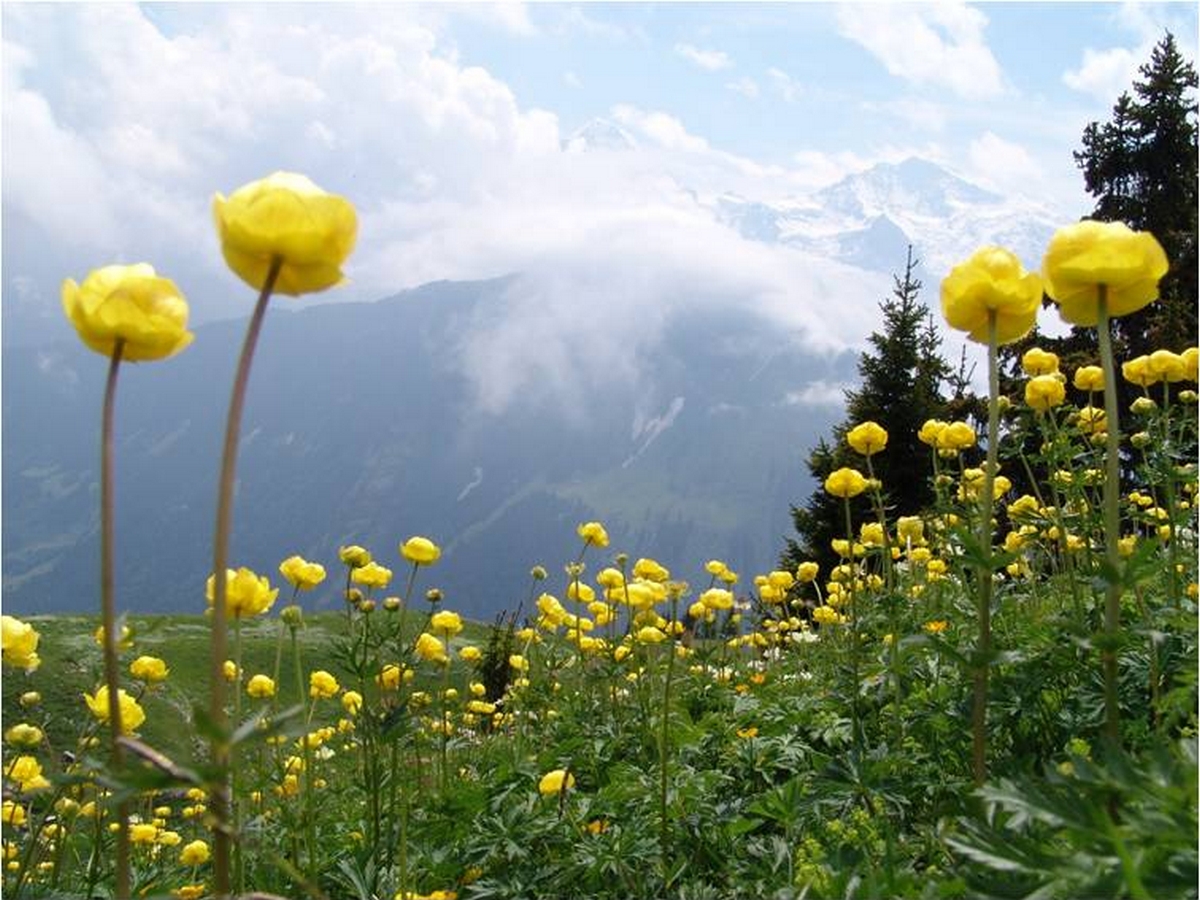
This fact sheet is to accompany Howard's presentation entitled Buttercups in the garden, and includes information about the Ranunculace family including the main genera.
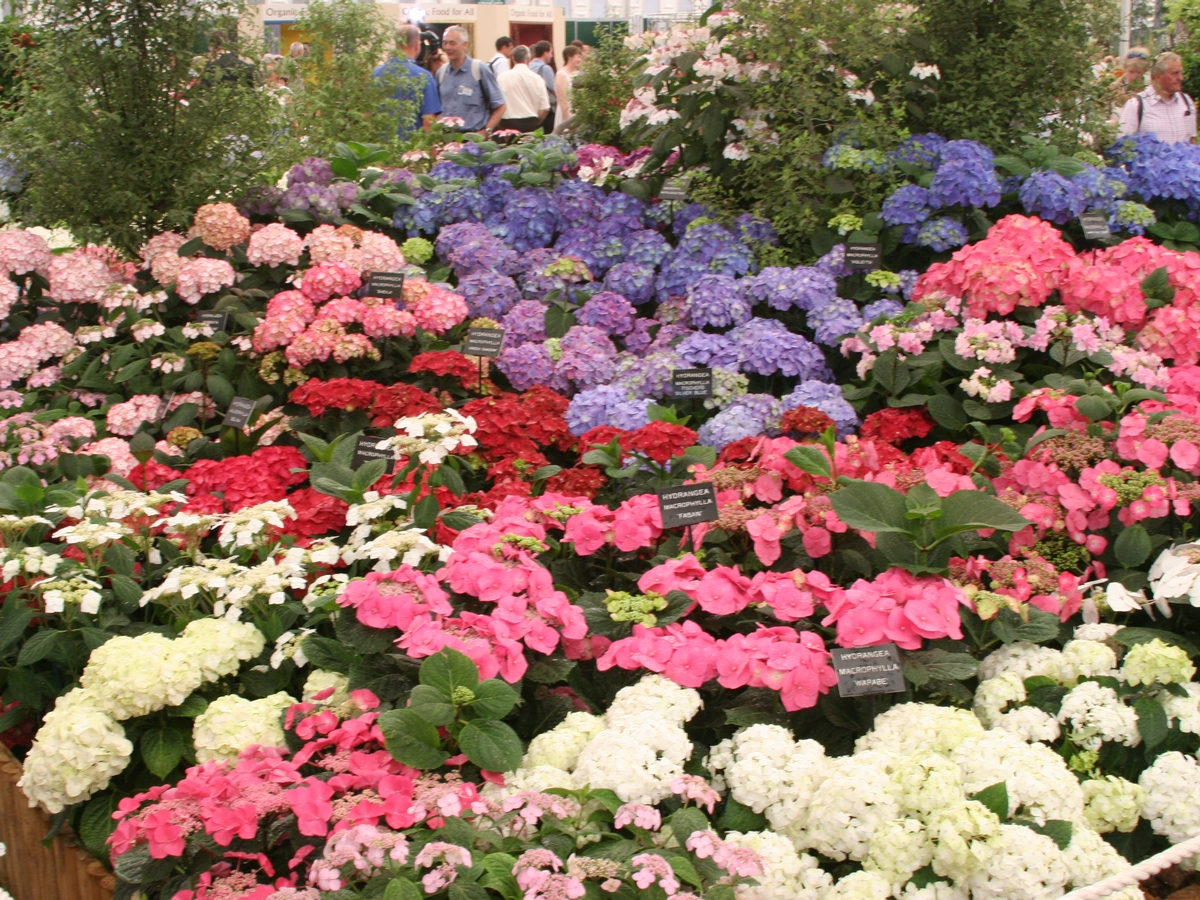

This is a fact sheet to offer more advice on the care of houseplants following my presentation of the same title.
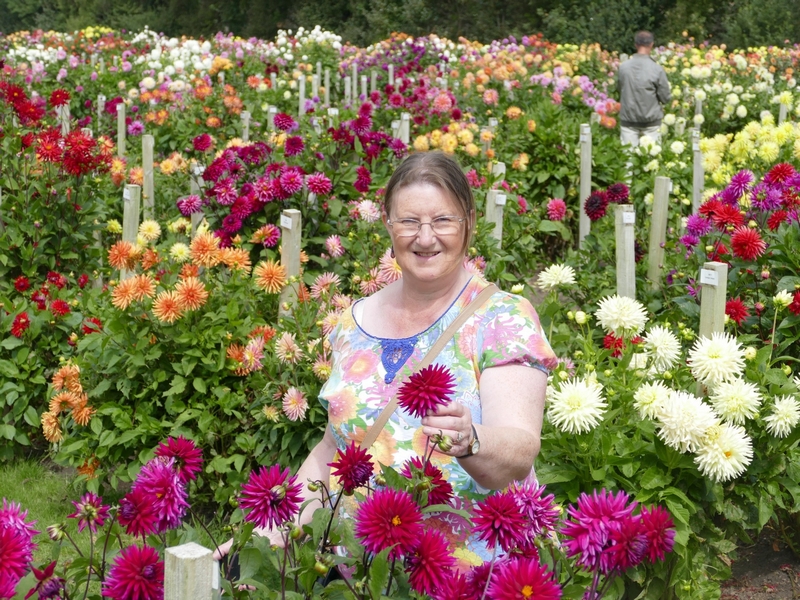
This fact sheet is designed to help you grow bulbs for summer and autumn colour in the garden, in pots and in the home.
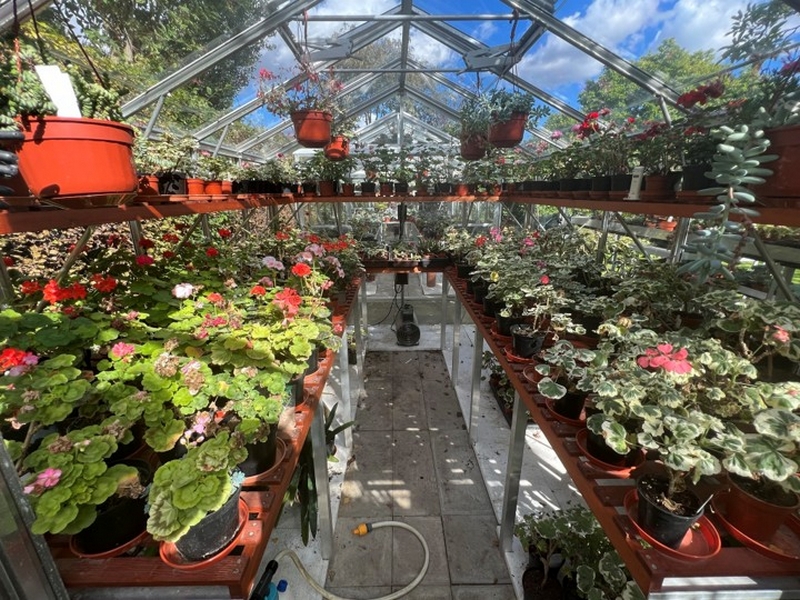
I have been growing Pelargoniums and Geraniums for over sixty years and this fact sheet covers my story and goes on to give loads of hints and tips how to succeed with them indoors and out.
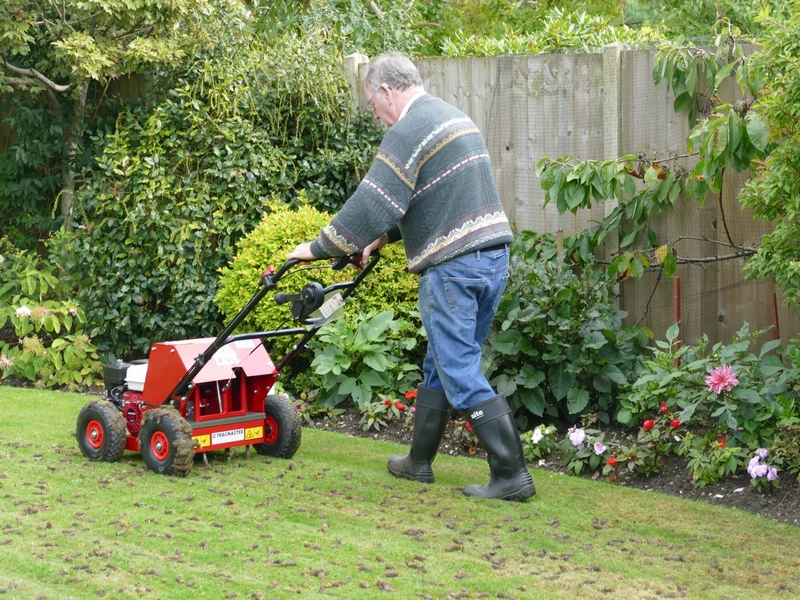
For more than twenty years I was closely involved with ExtraCare Charitable Trust where we used gardening to keep residents fir and mobile.

Sweet Chestnut Blight My interpretation of the Forestry Commissions overview is that this could be serious not just for Sweet Chestnuts (Castanea) but other species of tree also seem to be liable to attack and this could change the British landscape

I recently carried out a major update on my presentation entitled Shady Subjects, there is now a fact sheet available upon request, please follow the instructions and submit your email address for verification. Thank you and happy reading.

According to some organisations, we now need to embrace Slugs and Snails as part of our garden ecosystem. Yet many people complain Slugs and Snails are eating everything in their garden, can this be true, and should we be killing them or not? This latest information has caused me to rewrite my presentation on Slugs and Snails, and this is the fact sheet to accompany that presentation. Should we use Slug Pellets?, what are the alternative, are any plants resistant to Slugs and Snails?, then read on.

Mint is perhaps the most popular herb in British kitchens, and few gardens are without a large clump of mint of one type or another. These mints are amongst the oldest of European herbs, and their use stretches back through Roman and Greek times and probably into the neolithic era.

